Special Offer



Germany VPS vs Netherlands VPS: Which Is Faster?

 Study duration :
11 Minutes
Study duration :
11 Minutes  0 Comment
I was trying to figure out where to host my projects in Europe and kept running into the same two countries: Germany and the Netherlands. If you start browsing VPS options in Europe, you’ll quickly notice the debate between Germany VPS and Netherlands VPS. At first, it didn’t seem like a big deal, I just wanted a server that worked.
But then I noticed something. Depending on where my visitors were and what I was running, one country made a noticeable difference. Some websites I tested felt snappier on a German server. Others, especially those with users in the UK or France, loaded faster from Amsterdam.
It got me thinking: it’s not about the country name, it’s about what’s actually happening on the server, hardware, network, and location of your audience. That’s what matters when you pick a VPS in Europe.
Germany VPS: Why It’s So Popular
Spend enough time looking at European VPS providers and you’ll notice something pretty quickly: almost all of them have servers in Germany.
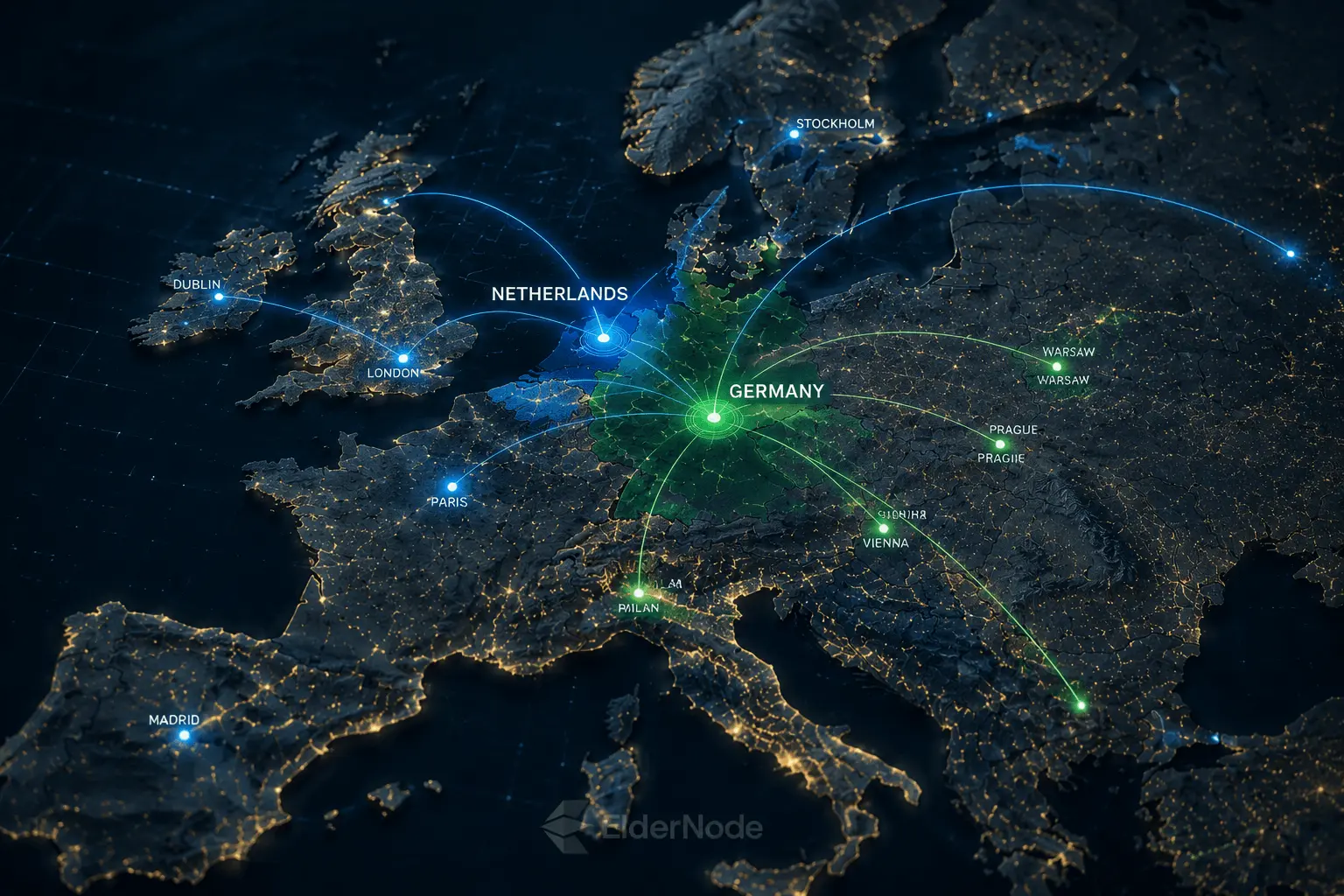
Frankfurt plays a big role here. Frankfurt has become a key spot for European hosting, with many data centers and high-speed links connecting servers across the continent. If your users or services are spread out over Europe, a German server often just works better.

Privacy and Regulations
A lot of people and businesses also like Germany for the strong data protection rules. The country has a serious, long-standing focus on privacy (thanks to GDPR and even stricter local laws). For projects that handle sensitive user data or need solid compliance, hosting in Germany can give real peace of mind.
Performance for European Users
Geographically, Germany sits right in the middle of Europe. Visitors from the Netherlands, Austria, Switzerland, Belgium, Poland, Czech Republic, and similar countries usually get nice low latency. Someone in Madrid or Stockholm might see different results, but Germany is a practical location for much of Central and Western Europe.
Of course, location isn’t everything. Even the best German data center can feel slow if the provider cheaps out on hardware, oversells the server, or has crappy routing. Good hardware and a well-maintained network can make a bigger difference than the country itself.
Why So Many People Choose Netherlands VPS
For years, Amsterdam has been a central hub for VPS hosting, with providers relying on its fast connections and dense data centers. If you’ve ever browsed hosting providers, you’ve probably noticed how almost everyone offers servers there.
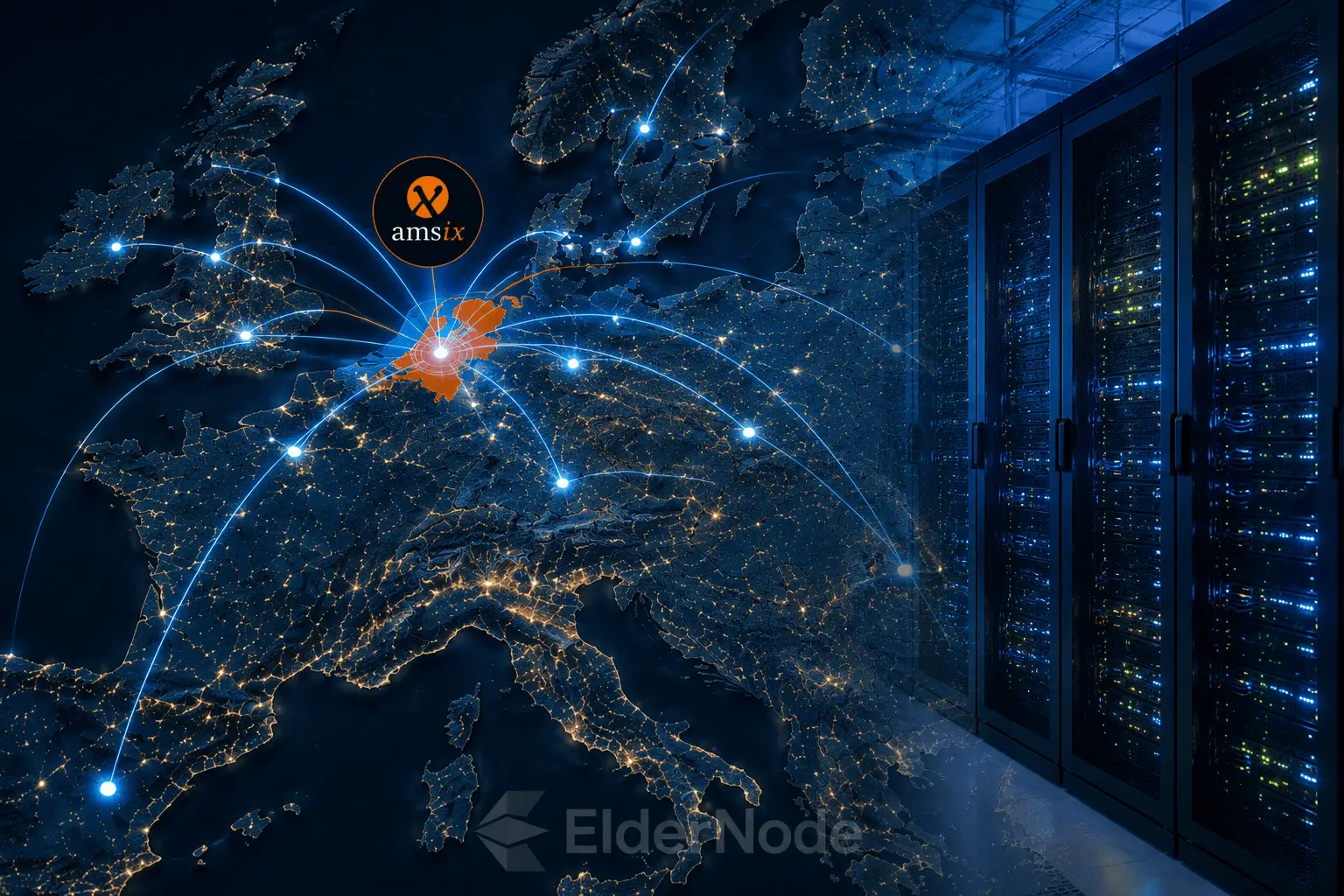
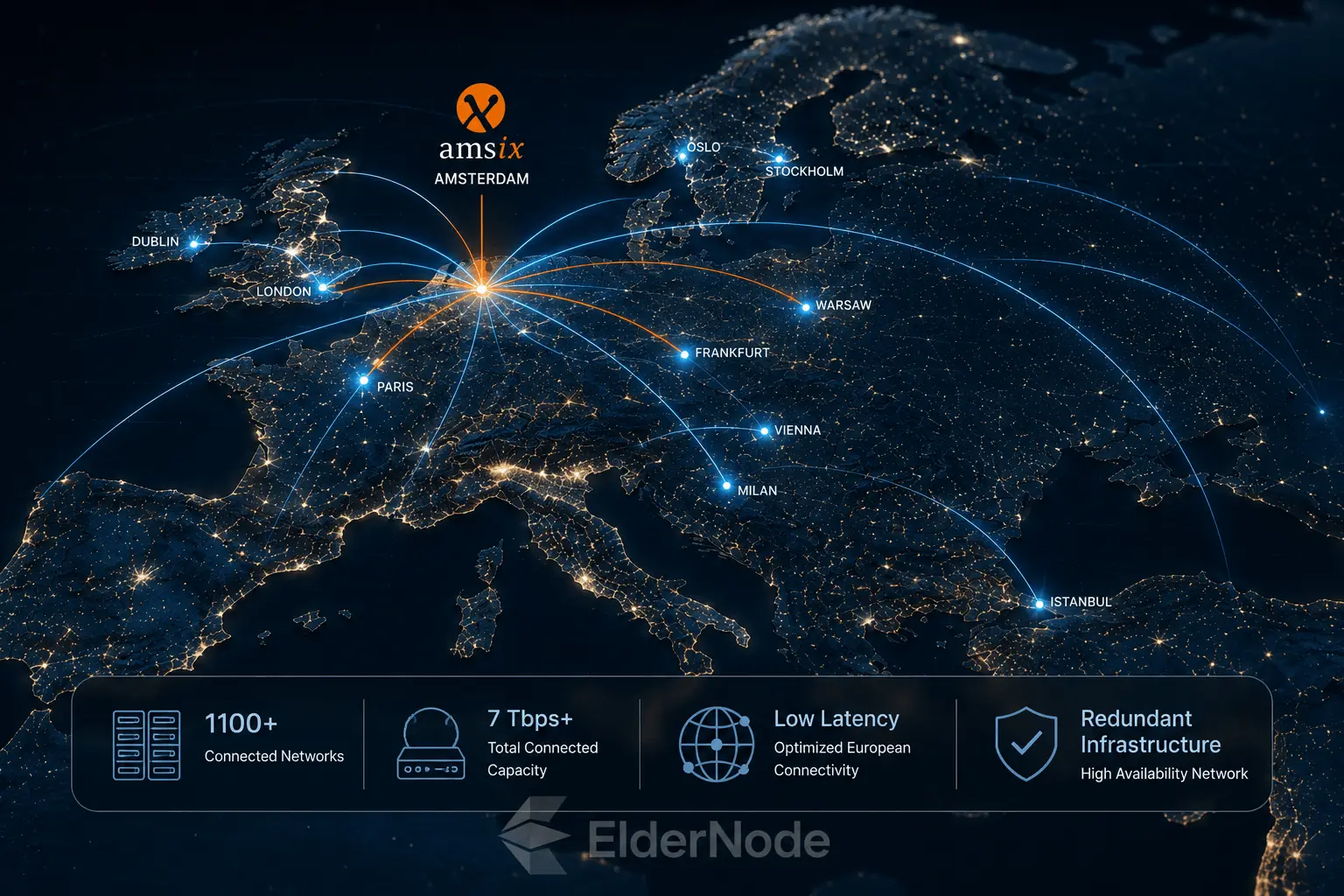
Amsterdam’s network infrastructure is a big part of the appeal. Many providers choose Amsterdam because of its busy internet exchanges like AMS-IX, keeping traffic flowing across the region.
Another major advantage is choice. In the Netherlands, you’ll see plenty of providers, whether you just need a basic VPS or something with more power. Whether you’re running a personal project, a business website, an online store, or something bigger, there’s usually a good fit.
For people in the UK, Germany, Belgium, France, and nearby countries, a Dutch VPS often delivers fast response times without needing servers in multiple locations.
Just because a VPS is in Amsterdam doesn’t automatically mean it’ll be fast. A lot depends on the company behind it. Network quality, storage (NVMe vs SATA), virtualization type, and how overloaded the server is can make a big difference. A provider with modern hardware and a well-managed network will almost always outperform one that’s just racing to be the cheapest.
Germany vs Netherlands VPS: Which One Performs Better?
The first thing I’d look at is where most of the traffic is coming from.
If most of your visitors are in Central or Eastern Europe, Germany usually feels noticeably faster. The servers respond quicker, and performance to stay stable even when traffic spikes.
On the flip side, if your audience is mostly in Western Europe (UK, Belgium, France, Netherlands, etc.), the Netherlands, especially Amsterdam, is often the better choice. That’s one reason websites and applications hosted in Amsterdam often feel fast for users across much of Western Europe.
location isn’t everything. You can pick the “perfect” country and still get disappointing speeds if the provider is running old hardware, overselling the server, or has poor network management. I always recommend checking real user benchmarks and reviews instead of just trusting the marketing.
Both are solid options, as long as you go with a reputable provider that actually maintains good performance.
VPS Pricing: Germany vs Netherlands
In most cases, I haven’t seen a meaningful price difference between comparable VPS plans in Germany and the Netherlands. You’ll find cheap VPS options in both places, and you’ll also see more expensive ones that charge extra for newer hardware, better networks, or proper management.
The hosting company usually makes a bigger difference than the country. A $7 VPS in Amsterdam isn’t automatically better or worse than one in Frankfurt. What actually matters is stuff like the CPU, whether it has NVMe storage, how much bandwidth you get, IPv4 prices, and if support is any good.
Something I’ve seen trip people up is upgrade prices. A lot of providers offer a low intro price, but then hit you hard when you try to add RAM, disk space, or extra traffic later. Definitely check those upgrade costs before you commit, especially if you plan to grow.
For small sites and personal projects, the prices are usually close in both countries. It’s when you start looking at bigger plans that you notice more variation, but again, that’s more about the provider than the location.
Security, Privacy, and Legal Considerations
One of the first things I noticed when comparing providers was how differently Germany and the Netherlands approach data protection.
Germany enforces strong data protection laws, which means sensitive user data is handled very carefully by hosting providers. Really strict. If you’re handling user info or payment data, you don’t have to worry about whether your provider is following the law, they have no choice but to.
It’s more relaxed. Things can move faster, and sometimes it’s easier to get things running the way you want. But if you’re picky about privacy, it might feel a little too loose.
I’ve noticed that some providers handle encryption and compliance better than others, no matter the country. Firewalls, encryption, they’re usually fine in both countries. But if you don’t check what your host actually does, you might get an unpleasant surprise down the road.
In the end, the best choice depends on your users and what you’re running, not just a checklist.